
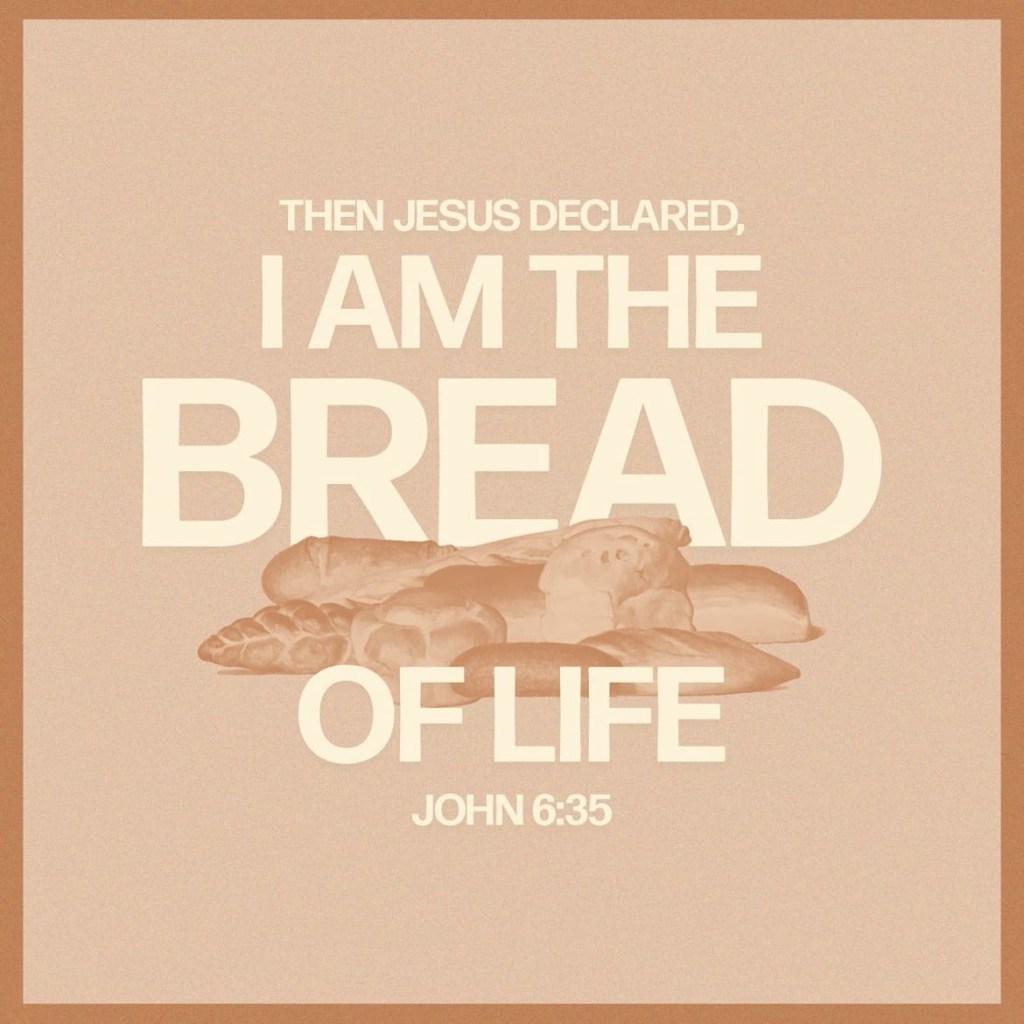
The Bible is rich with symbolism, and few metaphors are as profound as Jesus’ declaration in John 6:35, “I am the bread of life.” When paired with the meaning of Bethlehem—“the house of bread”—the depth of God’s plan for humanity comes into focus. These two ideas are intricately connected, pointing to Jesus as the ultimate provision for our spiritual hunger.
Bethlehem, the birthplace of Jesus, carries a name that means “house of bread” in Hebrew. This small town was known as a fertile region, producing grain and sustenance for its people. However, its greatest gift to the world wasn’t earthly bread but the Savior Himself, who would be born in its midst.
This setting wasn’t coincidental. Bethlehem’s identity as a provider of physical sustenance foreshadowed the arrival of the One who would provide eternal sustenance. Just as Bethlehem once offered earthly bread, it became the birthplace of the Bread of Life.
In John 6, after feeding the 5,000, Jesus used bread as a powerful metaphor for His mission:
“I am the bread of life. Whoever comes to me will never go hungry, and whoever believes in me will never be thirsty” (John 6:35).
Jesus wasn’t speaking of physical hunger but the spiritual longing that only He can satisfy. Earthly bread sustains the body, but Jesus, the Bread of Life, nourishes the soul, offering eternal life to all who believe in Him.
Jesus’ birth in a manger adds another layer to this symbolism. A manger is a feeding trough for animals, and it was here that the Bread of Life was first laid. This humble beginning highlights God’s provision for humanity in the most unexpected way.
Just as animals came to the manger to eat, humanity is invited to come to Jesus for the sustenance that leads to eternal life. His humility and accessibility make the Bread of Life available to all, rich or poor, near or far.
The connection between Jesus as the Bread of Life and Bethlehem’s meaning is deepened by the Passover tradition. During Passover, unleavened bread symbolized God’s provision and deliverance for Israel. In the New Testament, Jesus fulfills this symbolism.
At the Last Supper, He broke bread and said, “This is my body, which is for you” (1 Corinthians 11:24). Just as the unleavened bread reminded the Israelites of their physical deliverance from Egypt, Jesus’ body—broken for us—secures our spiritual deliverance from sin.
Bethlehem, the house of bread, provided physical sustenance to its people. Jesus, born in Bethlehem, offers Himself as the true Bread of Life, nourishing all who come to Him. This divine connection reminds us of the completeness of God’s plan:
• Just as bread is a daily necessity, Jesus is essential for spiritual life.
• Bread must be received to sustain life; Jesus must be accepted by faith to bring eternal life.
• Physical bread satisfies temporarily, but Jesus provides lasting satisfaction.
The connection between Jesus as the Bread of Life and Bethlehem, the house of bread, is a powerful reminder of God’s provision. In a world full of spiritual hunger, Jesus offers Himself as the only source of true and eternal fulfillment.
This time of year, as many reflect on the birth of Jesus, let’s remember that He came not just to be born in the house of bread but to be the Bread of Life for all who believe. He invites us to partake in this bread and experience the abundant life only He can provide.
“Taste and see that the Lord is good; blessed is the one who takes refuge in Him” (Psalm 34:8).
Will you accept His invitation to be spiritually nourished today? Peace in Christ brothers and sisters.





 For Common Ground