In the logic of the gospel, there are no alternatives to Christ. Every other option is no option at all. When everything considered valuable in life is seen to be nothing in comparison to the glory of Christ, you learn rather well that Christ alone is worth living for.
Matt Chamdler
What is life? What is true living? What is the purpose of our existence? Philosophers have been battling with these questions for thousands of years. For the Christian, those questions have already been answered. And for the Christian, those answers are meant to be shared with the world. In Philippians 1:21, the Apostle Paul makes a bold declaration: “For to me, to live is Christ, and to die is gain.” This verse encapsulates the heart of Christian living—Jesus is not just a part of life; He is life itself.
Living for Christ means that He is the foundation of everything we do. Our priorities, decisions, and actions should all reflect His love, grace, and truth. Paul exemplified this by dedicating his entire life to spreading the gospel, regardless of the hardships he faced. He endured imprisonment, beatings, and rejection, yet his joy remained because his life was Christ-centered.
How can this be more of a part of our lives in the 21st century? We have to start our day with prayer and Scripture, seeking God’s direction. Not doing that is like starting a trip with no destination or starting a task with no directions. We also have to make Christ the motivation behind our work, relationships, and daily interactions. Life is challenging enough as it is. And motivation is key in everything. As we go throughout the day we strive to glorify God in both big and small decisions. This more than serving in church, going down to the homeless shelter to serve food, street preaching, or any of the other outstanding acts of service. It’s in our conversations, or jobs, our thoughts, or words, our attitudes, our responses, our choices, and every other little detail. They begin and end with Jesus.
To live is Christ means representing Him wherever we go. As believers, we are called to reflect His character—showing love, humility, and kindness to others. In 2 Corinthians 5:20, Paul reminds us that we are Christ’s ambassadors, carrying His message of reconciliation to the world. We do that by sharing the gospel through words and actions. We serve others selflessly, just as Jesus did. We act as a light in our workplace, community, and family. As my pastor (and father-in-law) says, “We love Jesus and make Him known.”
Many people search for meaning in career success, wealth, or personal achievements, but Paul reminds us that true purpose is found in Christ. When our lives revolve around Him, even suffering has meaning. Paul saw his trials as opportunities to magnify Christ and advance the gospel (Philippians 1:12-14). We need to shift our focus from earthly success to eternal impact. We need to use our talents and resources to serve God’s kingdom. And we need to trust God’s plan, even in challenges, knowing He is using our life for His glory.
“To live is Christ” means that Jesus is everything to us. He is our purpose, our joy, and our hope. Whether in times of blessing or trial, our lives should point to Him. Let us strive to live in such a way that when people see us, they see Christ.
Last time I posed the question of how do we really know if we’re living a life of renewal and resurrection power? In this post, I’ve outlined just a few indicators of a faith-filled life. After all, Jesus said that we would know people by their fruit.
1-Are you Experiencing Victory Over Sin?
We know that our old self was crucified with him in order that the body of sin might be brought to nothing, so that we would no longer be enslaved to sin.”
Romans 6;6
The resurrection power frees Christians from the bondage of sin, granting them the strength to live victoriously.
Too many use grace as an excuse to stay in sin, to refuse to change. But as the saying goes, Jesus loves us but he loves us too much to leave us that way. To walk in sin is to surrender the power within us. It’s counterintuitive but we must surrender to win. Surrender pride and pursue purity.
If the Spirit of him who raised Jesus from the dead dwells in you, he who raised Christ Jesus from the dead will also give life to your mortal bodies through his Spirit who dwells in you.”
Romans 8:11
The resurrection power brings the indwelling of the Holy Spirit, enabling believers to live godly lives.
2-Do You Experience Spiritual Empowerment?
I also pray that you will understand the incredible greatness of God’s power for us who believe him. This is the same mighty power that raised Christ from the dead and seated him in the place of honor at God’s right hand in the heavenly realms.
Ephesians 1:19-20
The same power that raised Jesus enables believers to live with authority, confidence, and purpose.
Just like the dry bones that came to life, the power that brought the window’s son back to life in the days of Elijah, the man that was laid on the bones of Elisha, or the power that raised Lazarus and Jairus’s daughter, and the power that enabled Jesus to conquer death. The Bible is full of the life-giving power and it’s a power for us.
John 7:38: “Whoever believes in me, as the Scripture has said, ‘Out of his heart will flow rivers of living water'”
The manner in which we live, the words we say, the things we do, the relationships we build, should all be life-giving. Encouraging others, strengthening others, guiding others in life-giving truth.
3-Are You Experiencing Power Through the Hard Things in Life?
I can do all things through him who strengthens me.”
Philippians 4:13
The resurrection power empowers Christians to face challenges with faith and strength.
Your troubles have come in order to prove that your faith is real. Your faith is worth more than gold. That’s because gold can pass away even when fire has made it pure. Your faith is meant to bring praise, honor and glory to God. This will happen when Jesus Christ returns.”
1 Peter 1:7 NIRV
It’s hard to say that untested faith is genuine. Look at Job, whose faith was deepened as he underwent trials. Look at the apostles, whose faith enabled them to face incredible persecution.
4-Do You Have Boldness in Witnessing?
But you will receive power when the Holy Spirit has come upon you, and you will be my witnesses in Jerusalem and in all Judea and Samaria, and to the end of the earth.”
Acts 1:8
The resurrection power gives Christians the boldness to share the gospel and fulfill their mission.
And look at what happened to the apostles throughout the story of Acts. They were met with resistance and persecution. And when they were reprimanded and beaten and jailed, they didn’t relent.
And now, Lord, look upon their threats and grant to your servants to continue to speak your word with all boldness, while you stretch out your hand to heal, and signs and wonders are performed through the name of your holy servant Jesus.
Acts 4:29-30 ESV
Think about the Apostles that we can read about in Acts 5:12-16. They were praying for people, laying hands on people, healing people, and not in secret, on Solomon’s porch, in front of the temple.
Our witnessing shouldn’t just be when it’s convenient or safe. It’s proclaiming Jesus even when you’re told not to and where you’re told not to. It’s being able to say, “Whether it is right in the sight of God to listen to you rather than to God, you must judge, for we cannot but speak of what we have seen and heard”
“And he departed from our sight and we might return to our heart, and there find Him. For He departed, and behold, He is here.“
-St. Augustine
The power of Jesus rests in us because His Spirit is in us. We find Him in the world around us, and we find Him living within us.
“The New Testament writers speak as if Christ’s achievement in rising from the dead was the first event of its kind in the whole history of the universe. He is the ‘first fruits,’ the pioneer of life,’ He has forced open a door that has been locked since the death of the first man. He has met, fought, and beaten the King of Death. Everything is different because He has done so.”
C.S. Lewis
Everything is different and so be it with us. Are you different because you know Jesus? Are you living a resurrected life? Peace and power in Christ brothers and sisters.
In Ezekiel’s vision from Ezekiel 37, the valley of dry bones was lifeless, barren, and without hope. It represented a people who felt abandoned, broken, and beyond redemption. Yet, in that desolation, God asked Ezekiel, “Can these bones live?” Ezekiel’s response was one of faith: “Sovereign Lord, you alone know.”
God commanded Ezekiel to prophesy over the bones, and as he did, a miraculous transformation began. Bones came together, flesh formed, and breath entered them—they rose as a vast army.
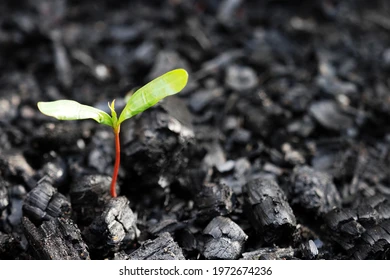
This story reminds us that no situation is too hopeless for God. What feels like a graveyard in your life—whether it’s a broken relationship, a lost dream, or a spiritual drought—can be revived by the power of His Spirit.
God specializes in breathing life into dead things. His Spirit can restore, renew, and rebuild what has been lost. The same God who brought life to the dry bones in Ezekiel’s vision is still working today, calling out to you: “Prophesy to the dry bones. Trust Me to breathe life into what seems dead.”
No matter how lifeless things may seem, place your hope in the God who brings life. He is faithful to revive and restore, turning valleys of despair into fields of victory.
Just as important, this passage points ahead to the New Life and Transformation done on behalf of the believer.
Therefore, if anyone is in Christ, he is a new creation. The old has passed away; behold, the new has come.
2 Corinthians 5:17
The resurrection power transforms believers into new creations, enabling them to live a renewed and righteous life.
When God made man, He breathed life into Adam. When we give our hearts to Jesus, new life is breathed into us. It’s the same idea as what is happening in Ezekiel 37. After all, we were described as “…dead our trespasses and sins” (Eph2:1) but then he says ““But God, being rich in mercy, because of the great love with which he loved us, even when we were dead in our trespasses, made us alive together with Christ—by grace you have been saved—” (Eph2:4-5 ESV) And He does that by breathing life into us.
The Hebrew word for breath used in Ezekiel 37 is: (roo’-akh) rûaḥ also denotes His Spirit. It’s also used in Genesis 1:2: The earth was without form and void, and darkness was on the face of the deep. And the Spirit of God was hovering over the face of the waters. Again, in Genesis 41, when Pharaoh speaks about Joseph, Pharaoh says to his servants, “Can we find such a one as this, a man in whom is the Spirit of God?” It’s Spoken over the judges when the spirit of the Lord came over them to judge Israel.
My question for all of us is, are we living the new and resurrected life? And how do we really know? And that’s what my next post is all about.
The world often judges us by our past. We most often view ourselves on our present. I believe God looks at us through our future.
“For I know the plans I have for you, declares the Lord, plans for welfare and not for evil, to give you a future and a hope. Then you will call upon me and come and pray to me, and I will hear you. You will seek me and find me, when you seek me with all your heart.”
Jeremiah 29:11-13 ESV
The story of the apostle Peter has always been one that resonates with me in someways. Peter was impulsive and battled with pride. I find the same qualities in myself. Peter had highs and lows. He also praised God through his actions at some moments and denied him in others. but when Jesus interacted with Peter, he didn’t look at the mistakes that he had made, or his up and down faith. Jesus had his eyes set on Peter‘s future. By calling him, Peter and the first place, Jesus was making a statement about who he would become. As we read about in the New Testament, Peter was not his original name. Not only did Jesus give him a new name, but he proclaimed that the same faith that Peter had in order to declare Jesus, the Messiah, would be the same faith on which Jesus would build his church. Even after Peter denied Jesus three times on the eve of his crucifixion, Jesus knew that his destiny would not be marked by denial, but by the faithful pursuit of the kingdom of God. Not long after the resurrection of Jesus, he met with Peter and reminded him of his love for him. When Jesus ascended, Peter would be instrumental in preaching one of the greatest sermons and history after which 3000 people gave their hearts to Christ. Peter would go onto live the rest of his days devoted to sharing the gospel. Ultimately he would give his own life For the sake of the gospel.
“When they had finished breakfast, Jesus said to Simon Peter, “Simon, son of John, do you love me more than these?” He said to him, “Yes, Lord; you know that I love you.” He said to him, “Feed my lambs.” He said to him a second time, “Simon, son of John, do you love me?” He said to him, “Yes, Lord; you know that I love you.” He said to him, “Tend my sheep.” He said to him the third time, “Simon, son of John, do you love me?” Peter was grieved because he said to him the third time, “Do you love me?” and he said to him, “Lord, you know everything; you know that I love you.” Jesus said to him, “Feed my sheep. Truly, truly, I say to you, when you were young, you used to dress yourself and walk wherever you wanted, but when you are old, you will stretch out your hands, and another will dress you and carry you where you do not want to go.” (This he said to show by what kind of death he was to glorify God.) And after saying this he said to him, “Follow me.””
John 21:15-19 ESV
Jesus has rescued me from a troubled past. He rescues me still from my pride and my up-and-down faith. But I believe, just as in Peter, Jesus views me in light of the destiny that he has aligned and prepared for me. I believe the same is true for you. God sees you. He knows all of your hurt and your brokenness and your sin. He knows your needs and your wants. He is for you. No matter what you’ve done., or where you find yourself now. He wants a relationship with you. And if He already has that, He wants it to grow to new heights.
“Therefore, if anyone is in Christ, he is a new creation. The old has passed away; behold, the new has come.”
Hanukkah, also known as the Festival of Lights, is a significant celebration in Jewish tradition that commemorates the rededication of the Second Temple in Jerusalem following the Maccabean revolt. While Hanukkah is not directly mentioned in the Old Testament, its themes of light, dedication, and divine intervention resonate deeply with the Christian faith—especially when viewed through the life and ministry of Jesus.
1. Jesus and the Feast of Dedication
In John 10:22-23, we find a direct reference to Hanukkah:
“Then came the Festival of Dedication at Jerusalem. It was winter, and Jesus was in the temple courts walking in Solomon’s Colonnade.”
The Festival of Dedication is another name for Hanukkah, and it is during this time that Jesus speaks profoundly about His identity:
“I and the Father are one.” (John 10:30)
Here, Jesus reveals Himself as the Good Shepherd and the Light of the World—paralleling the themes of Hanukkah, where the menorah’s lights symbolize God’s presence and guidance.
2. The Miraculous Light and Jesus as the Light of the World
Hanukkah celebrates the miracle of the oil that lasted eight days, despite there being only enough for one. This miracle signifies God’s provision and presence in a time of need.
Jesus embodies this same light in His teachings:
• John 8:12: “I am the light of the world. Whoever follows me will never walk in darkness but will have the light of life.”
• Just as the menorah lit the Temple, Jesus illuminates the hearts and lives of His followers, guiding them toward God’s truth.
3. Rededication and Spiritual Renewal
The story of Hanukkah is one of rededication—restoring the Temple to its sacred purpose after it was defiled by foreign rulers. Similarly, Jesus calls His followers to a life of spiritual renewal and dedication:
• 1 Corinthians 6:19-20: “Do you not know that your bodies are temples of the Holy Spirit…? Therefore honor God with your bodies.”
• Christians are invited to rededicate their lives to God, just as the Maccabees rededicated the Temple.
4. Unity of the Old and New
Hanukkah offers a bridge between the Jewish and Christian faiths, highlighting shared themes of divine intervention, light overcoming darkness, and dedication to God. For Christians, celebrating or reflecting on Hanukkah can deepen appreciation for the Jewish roots of their faith and the fulfillment of these themes in Jesus Christ.
5. A Call to Celebrate the Light
Hanukkah is a time of celebration, hope, and gratitude for God’s faithfulness. For Christians, it’s an opportunity to reflect on Jesus as the ultimate Light of the World, whose life and sacrifice bring spiritual freedom and eternal hope.
As the menorah’s lights shine brightly during the eight nights of Hanukkah, they remind us of the enduring presence of God—both in the history of Israel and in the person of Jesus Christ.
Throughout Scripture, God consistently demonstrates His faithfulness to His people, often in the most unlikely of circumstances. Two powerful examples of this are the story of Gideon’s victory over the Midianites (Judges 6-7) and the fall of Jericho (Joshua 6). Though separated by time and context, both narratives reveal how God uses ordinary people and unconventional methods to display His power and fulfill His promises.
Gideon: Trusting God in Weakness
Gideon’s story begins with fear and doubt. When God calls him to deliver Israel from the Midianites, Gideon protests, saying, “My clan is the weakest in Manasseh, and I am the least in my family” (Judges 6:15). His hesitancy is relatable; he questions whether God is truly with him and seeks repeated confirmation through signs, such as the fleece (Judges 6:36-40). We’ve all been there. Saying something like, “is this truly you God?” Or, “are you sure you want me to do that?”
Despite Gideon’s initial doubt, God remained faithful and patient, guiding him step by step. Just like He’s done in my life and yours. The most remarkable aspect of Gideon’s victory lies in God’s strategy. Facing an army described as “thick as locusts” (Judges 7:12), Gideon starts with 32,000 men. However, God reduces the army to just 300, ensuring that the victory will unmistakably be attributed to Him, not human strength (Judges 7:2). Armed with trumpets, torches, and jars—not conventional weapons—Gideon’s army routs the Midianites.
Gideon’s victory highlights an important truth: God’s power is perfected in our weakness (2 Corinthians 12:9). When we step out in faith, even with trembling hearts, God can accomplish extraordinary things through us.
Jericho: Obedience in the Unconventional
The fall of Jericho is another testament to God’s faithfulness and power. As the Israelites prepared to enter the Promised Land, Jericho stood as a formidable obstacle—a city fortified with impenetrable walls. Yet God’s instructions to Joshua were unconventional: march around the city once a day for six days, and on the seventh day, march around it seven times, then shout and blow trumpets (Joshua 6:2-5).
To human reasoning, this plan seemed absurd. Yet Joshua and the Israelites obeyed without hesitation. Their faith was rewarded when the walls of Jericho collapsed, granting them victory without a single weapon being raised (Joshua 6:20). This story reminds us that God’s ways are not our ways (Isaiah 55:8-9). His plans often defy logic, but they always accomplish His purposes.
Faith, Obedience, and God’s Glory
Both stories share common themes that resonate with believers today:
1. Faith in God’s Promises: Gideon and Joshua both trusted God’s promises, even when the odds seemed impossible. Their faith allowed them to experience God’s miraculous deliverance.
2. Obedience in Uncertainty: Both leaders followed God’s instructions, even when those instructions seemed unconventional. Obedience, even in the face of uncertainty, invites God’s blessing.
3. God’s Glory Displayed: In both victories, it was clear that the outcomes were due to God’s power, not human effort. This ensured that He received the glory.
Life often presents us with challenges that seem insurmountable—health crises, financial struggles, broken relationships, or personal weaknesses. Like Gideon and Joshua, we may feel inadequate or question how victory is possible. Yet their stories remind us that God’s faithfulness is not dependent on our strength or understanding.
When we trust Him, obey His leading, and step out in faith, God works in ways that exceed our expectations. Our “walls of Jericho” can crumble, and our “Midianite armies” can be defeated—not because of our might, but because of His.
As Paul writes in Romans 8:31, “If God is for us, who can be against us?” Gideon and Jericho stand as enduring testimonies to this truth: no matter how overwhelming the odds, God is faithful, and His power is more than enough.
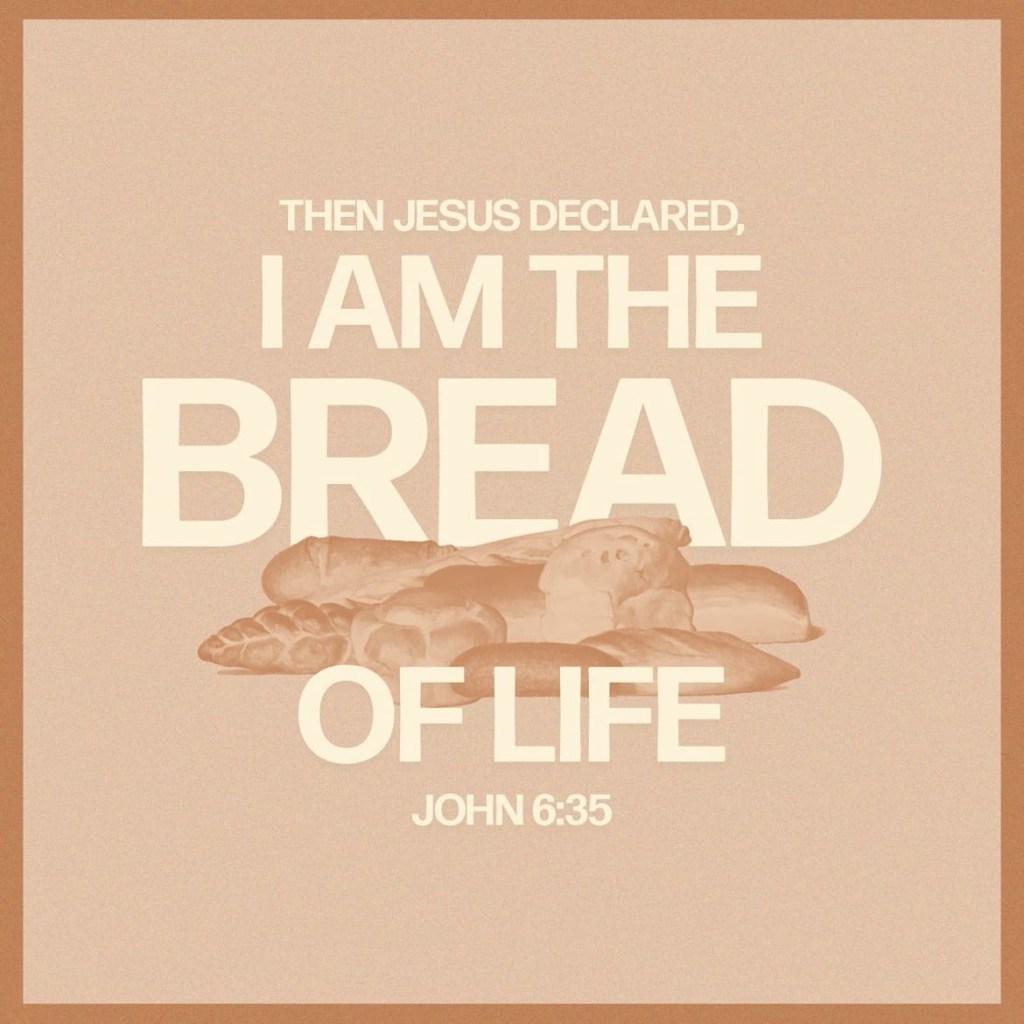
The Bible is rich with symbolism, and few metaphors are as profound as Jesus’ declaration in John 6:35, “I am the bread of life.” When paired with the meaning of Bethlehem—“the house of bread”—the depth of God’s plan for humanity comes into focus. These two ideas are intricately connected, pointing to Jesus as the ultimate provision for our spiritual hunger.
Bethlehem, the birthplace of Jesus, carries a name that means “house of bread” in Hebrew. This small town was known as a fertile region, producing grain and sustenance for its people. However, its greatest gift to the world wasn’t earthly bread but the Savior Himself, who would be born in its midst.
This setting wasn’t coincidental. Bethlehem’s identity as a provider of physical sustenance foreshadowed the arrival of the One who would provide eternal sustenance. Just as Bethlehem once offered earthly bread, it became the birthplace of the Bread of Life.
In John 6, after feeding the 5,000, Jesus used bread as a powerful metaphor for His mission:
“I am the bread of life. Whoever comes to me will never go hungry, and whoever believes in me will never be thirsty” (John 6:35).
Jesus wasn’t speaking of physical hunger but the spiritual longing that only He can satisfy. Earthly bread sustains the body, but Jesus, the Bread of Life, nourishes the soul, offering eternal life to all who believe in Him.
Jesus’ birth in a manger adds another layer to this symbolism. A manger is a feeding trough for animals, and it was here that the Bread of Life was first laid. This humble beginning highlights God’s provision for humanity in the most unexpected way.
Just as animals came to the manger to eat, humanity is invited to come to Jesus for the sustenance that leads to eternal life. His humility and accessibility make the Bread of Life available to all, rich or poor, near or far.
The connection between Jesus as the Bread of Life and Bethlehem’s meaning is deepened by the Passover tradition. During Passover, unleavened bread symbolized God’s provision and deliverance for Israel. In the New Testament, Jesus fulfills this symbolism.
At the Last Supper, He broke bread and said, “This is my body, which is for you” (1 Corinthians 11:24). Just as the unleavened bread reminded the Israelites of their physical deliverance from Egypt, Jesus’ body—broken for us—secures our spiritual deliverance from sin.
Bethlehem, the house of bread, provided physical sustenance to its people. Jesus, born in Bethlehem, offers Himself as the true Bread of Life, nourishing all who come to Him. This divine connection reminds us of the completeness of God’s plan:
• Just as bread is a daily necessity, Jesus is essential for spiritual life.
• Bread must be received to sustain life; Jesus must be accepted by faith to bring eternal life.
• Physical bread satisfies temporarily, but Jesus provides lasting satisfaction.
The connection between Jesus as the Bread of Life and Bethlehem, the house of bread, is a powerful reminder of God’s provision. In a world full of spiritual hunger, Jesus offers Himself as the only source of true and eternal fulfillment.
This time of year, as many reflect on the birth of Jesus, let’s remember that He came not just to be born in the house of bread but to be the Bread of Life for all who believe. He invites us to partake in this bread and experience the abundant life only He can provide.
“Taste and see that the Lord is good; blessed is the one who takes refuge in Him” (Psalm 34:8).
Will you accept His invitation to be spiritually nourished today? Peace in Christ brothers and sisters.
In our noisy, fast-paced world, silence can feel elusive. The constant hum of notifications, the demands of work, and the chatter of daily life often leave us longing for rest. Yet, throughout the Gospels, we see Jesus intentionally seeking moments of solitude and silence, carving out space to connect with God and focus His mission. This practice is more than a spiritual discipline; it’s an invitation to embrace the rhythm of grace and intimacy with the Father.
In Mark 1:35, we read, “Very early in the morning, while it was still dark, Jesus got up, left the house and went off to a solitary place, where he prayed.” After ministering to crowds and healing the sick, Jesus sought the quiet of the early morning. He must have been worn and exhausted and in need of refreshing.
Jesus’ example reminds us that seeking silence often requires intention and sacrifice. It’s easy to let the busyness of life crowd out quiet moments, but setting aside time for solitude aligns our hearts with God’s will and refreshes our souls.
Throughout the Gospels, Jesus withdrew to pray before major decisions or after significant events. For instance, before choosing His twelve disciples, He spent the night in prayer alone on a mountainside (Luke 6:12).
In these silent moments, Jesus demonstrated the importance of aligning His actions with the Father’s will. Silence provides the space to listen to God’s voice, reflect on His Word, and seek His guidance.
In Mark 6:31, Jesus invited His disciples to rest, saying, “Come with me by yourselves to a quiet place and get some rest.” Jesus understood that spiritual and physical renewal are intertwined. He balanced the demands of ministry with the necessity of rest, modeling a life that values both work and Sabbath rhythms.
Silence allows us to recover from the demands of our daily lives, offering peace to our restless hearts and clarity to our cluttered minds.
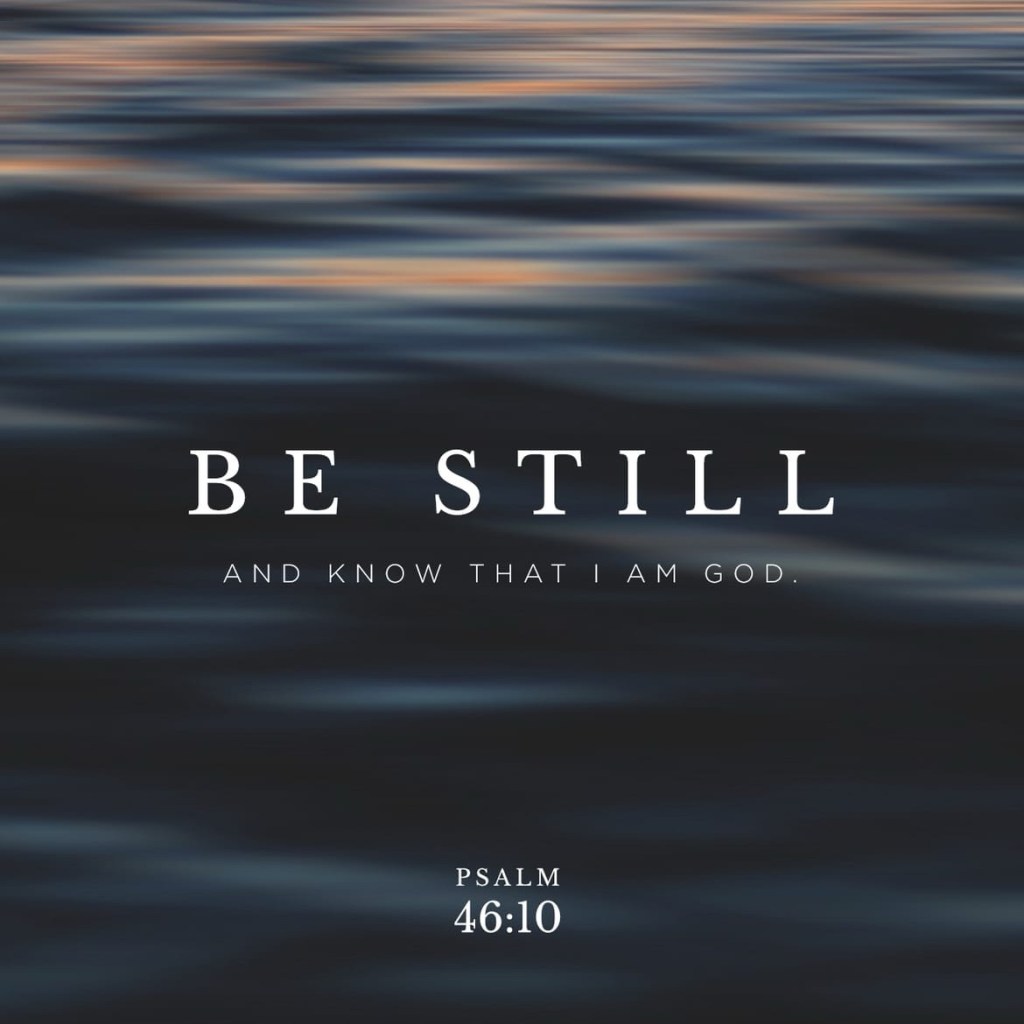
The life of Jesus calls us to seek silence—not as an escape but as a way to realign our hearts with God’s purpose. In the stillness, we find His presence. In the quiet, we hear His voice. As we follow Jesus’ example, we, too, can experience the profound peace and strength that comes from time spent with the Father.
“To me, though I am the very least of all the saints, this grace was given, to preach to the Gentiles the unsearchable riches of Christ,”
Ephesians 3:8 ESV
There is a story I came across recently, about a plantation owner who left a substantial inheritance to a former servant who had served him faithfully his entire life. Once the man had passed, the now former servant was told of the immense wealth that he now possessed. An amount that would equate to around a million dollars today. However, weeks went by and the man never went to withdraw any of his inheritance money. Until one day, he entered the bank and asked the cashier if he could please 50 cents to buy some cornmeal.
The man was seemingly unable to grasp the fullness of what he had been given. The inheritance was so much and was at his fingertips. I feel as though many of us behave in such a way as inheritors of the riches of Christ. We tap into pennies when He offers us abundance.
The gospel is big and beautiful and full. But how many of us are limping through life, burdened with anxieties and stress? How many of us are crippled by selfishness and pride? The gospel is a message of life and peace. One of healing and joy. Through Jesus, we experience the fullness of life God meant for us all along.
“My fruit is better than gold, even fine gold, and my yield than choice silver. I walk in the way of righteousness, in the paths of justice, granting an inheritance to those who love me, and filling their treasuries.”
Proverbs 8:19-21 ESV
In this passage, the wisdom of God brings about riches more valuable than gold or silver. It is that wisdom that guides the follower towards that inheritance. It is that wisdom that helps us abide in the One who grants the inheritance.
“Blessed be the God and Father of our Lord Jesus Christ! According to his great mercy, he has caused us to be born again to a living hope through the resurrection of Jesus Christ from the dead, to an inheritance that is imperishable, undefiled, and unfading, kept in heaven for you,”
1 Peter 1:3-4 ESV
You and me, brothers and sisters, have been given such a great gift. The gift of life. The gift of hope. The gift of peace, healing, and wholeness. Our debt has been paid. Our sin atoned for. The weights of life carried on the shoulders of our Creator. We need to stop living as though we haven’t been given everything. We have to stop living out a 50 cent gospel when we are meant for so much more.
The Brooklyn Bridge was completed in 1883. It connected Manhattan and Brooklyn for the first time. Before the bridge, the two cities were separated by the East River, and the only way to cross was by ferry. The bridge transformed transportation and commerce, allowing people and goods to move more freely. It also symbolized American innovation, as it was the longest suspension bridge in the world at the time of its completion. The bridge not only became a vital infrastructure piece but also a symbol of unity between the two boroughs. Before the bridge was constructed, Brooklyn was an independent city. This bridge served as a link and a unifier that brought Brooklyn into New York. The Brooklyn Bridge was also a social equalizer in its early days. The pedestrian walkway provided access for people of all classes to cross between the boroughs, making the bridge not only a tool for commerce but also for social interaction and community-building. It became a place where people from all walks of life could gather and have access regardless of ethnicity, income, or gender.
In the book of Genesis, we read about a major problem, a division that arises. A shattering of creation and of relationships. A divide greater than the East river.
“The Lord God took the man and put him in the garden of Eden to work it and keep it. And the Lord God commanded the man, saying, “You may surely eat of every tree of the garden, but of the tree of the knowledge of good and evil you shall not eat, for in the day that you eat of it you shall surely die.””
Genesis 2:15-17 ESV
It is the Lord that put Adam and Eve in the garden, and as we know, they are deceived and choose disobedience. Genesis 3:8-10 says that their sin lead them to hide, to separate themselves from God. And later in Genesis 3:21-24 God sacrifices for them (an important fact not to miss) but still sends them out. Eden is no longer accessible for them. The chasm is impassible. But a bridge will one day be built.
In John 1:51, Jesus said to Nathanael, “Very truly I tell you, you will see heaven open, and the angels of God ascending and descending on the Son of Man.” This powerful image gives us a picture of Jesus as the link between heaven and earth, between God and humanity. He connects the divine to the human, offering us reconciliation with God and access to eternal life. Jesus is that “bridge” between heaven and earth. A bridge that unifies us with the City of God. Gives us access to Eden again. A bridge that anyone can cross regardless of their station in life. A bridge that is actively inviting humanity to cross it.
1. Jesus is the Only Way to the Father
Remember in Gen 2:15 (God put Adam in the garden & Gen 3:21-24 God sent them out of the garden?
In John 14:6, Jesus boldly declares, “I am the way, the truth, and the life. No one comes to the Father except through me.” This statement is central to our understanding of how Jesus functions as the bridge. There is no other path, no other way to cross from death to life, from alienation to reconciliation, from earth to heaven.
The world may offer various paths, but Jesus is the exclusive way that leads to eternal life. He is not just a bridge among many, but the bridge. The only way to overcome the spiritual death we face is through faith in His work on the cross.
“”For God so loved the world, that he gave his only Son, that whoever believes in him should not perish but have eternal life. For God did not send his Son into the world to condemn the world, but in order that the world might be saved through him.”
John 3:16-17 ESV
Through Him, we have been given the gift of salvation and the assurance of eternal life. Jesus not only bridges our life on earth to a relationship with God, but He bridges our earthly existence to eternal life. In John 11:25-26, Jesus says, “I am the resurrection and the life. The one who believes in me will live, even though they die; and whoever lives by believing in me will never die.”
There is this scene in Return of the King…part of the Lord of the Rings trilogy…a hobbit named Pippin is despairing about the looming death. They are surrounded and besieged. The enemy is at the gates, and he says I never thought it would end like this. Then Gandalf, a wizard (and Jesus figure of Tolkien’s universe) responds, “End? No, the journey doesn’t end here. Death is just another path, one that we all must take. The grey rain-curtain of this world rolls back, and all turns to silver glass, and then you see it. White shores, and beyond, a far green country under a swift sunrise.”
Jesus’ resurrection is the ultimate victory over death, ensuring that for those who believe, death is not the end but a doorway into eternal life. Through His resurrection, Jesus has bridged the gap between time and eternity, bringing us the hope of everlasting life in heaven with God.
2. Jesus Bridges the Gap of Separation
The story of humanity begins in the Garden of Eden, where Adam and Eve enjoyed perfect communion with God. In Gen 2:16-17 God laid out the promise of life and death. However, we know what they chose. Through sin, a great chasm formed between humanity and God.
Isaiah 59:2 says ““but your iniquities have made a separation between you and your God, and your sins have hidden his face from you so that he does not hear.” Sin brought separation, death, and estrangement from the holy God who desires fellowship with His creation.
But God, in His love, had a plan from the beginning—to reconcile the world to Himself through Jesus. Romans 5:10 reminds us, “For if, while we were God’s enemies, we were reconciled to him through the death of his Son, how much more, having been reconciled, shall we be saved through his life!”
Jesus came to heal this separation. Through His perfect life, sacrificial death, and victorious resurrection, He became the bridge that spans the chasm created by sin. On the cross, He bore our sins, making it possible for us to be restored to a right relationship with God. He became the mediator, the high priest who represents us before the Father (Hebrews 9:15).
“But now that you have been set free from sin and have become slaves of God, the fruit you get leads to sanctification and its end, eternal life. For the wages of sin is death, but the free gift of God is eternal life in Christ Jesus our Lord.”
Romans 6:22-23 ESV
3. Jesus Gives Us Access to the Father
Back in Gen 3:8-10 Adam and Eve chose to separate themselves from God because of their sin and shame. with John 8:12 and John 10:27-28
Because Jesus has bridged the gap, we don’t have to hide. We now actually have direct access to the Father. Hebrews 4:16 tells us, “Let us then approach God’s throne of grace with confidence, so that we may receive mercy and find grace to help us in our time of need.” This verse is the response to Genesis 3:10.
Before Christ, such direct access was unthinkable. God’s holiness was too great, and our sin too grievous. Access was limited to the high priest who could only enter the holy of holies once a year to make atonement. Reading about this in Leviticus should give us a deep appreciation for God’s holiness and for Christ’s sacrifice which tore the veil on our behalf. Now, through Christ, we can come boldly to the Father in prayer and worship. Not once a year, but every single day of our lives.
God didn’t let Genesis 3:10 be the end of the story. Not for Adam and Eve, not for you and not for me.
Our story is not one of hiding in the dark, but thriving in the light. When Jesus calls, we don’t cower, we come running. Jesus said in John 10, “My sheep hear my voice, and I know them, and they follow me. I give them eternal life, and they will never perish, and no one will snatch them out of my hand.” (John 10:27-28 ESV) We are safely held by our savior, the Bridge over that great chasm of our sin.
4. Jesus, the Bridge to a New Creation
Not only does Jesus bridge the gap between sinful humanity and a holy God, but He also ushers in a new creation. In 2 Corinthians 5:17, Paul writes, “Therefore, if anyone is in Christ, the new creation has come: The old has gone, the new is here!” Jesus reconciles us to God, transforming us and making us a new creation. This is the beauty of the gospel—through Jesus, heaven breaks into our lives, even here on earth.
“But our citizenship is in heaven, and from it we await a Savior, the Lord Jesus Christ,”
Philippians 3:20 ESV
Heaven is not just a future hope; it is a present reality for those who are in Christ. Through the Holy Spirit, the power of the coming Kingdom is already at work in us, and we are called to be ambassadors of this new creation, living as citizens of heaven even while we still walk this earth.
But He is also the bridge to that future reality. The one that envisions an entirely new home.
“Then I saw a new heaven and a new earth, for the first heaven and the first earth had passed away, and the sea was no more. And I saw the holy city, new Jerusalem, coming down out of heaven from God, prepared as a bride adorned for her husband. And I heard a loud voice from the throne saying, “Behold, the dwelling place of God is with man. He will dwell with them, and they will be his people, and God himself will be with them as their God. He will wipe away every tear from their eyes, and death shall be no more, neither shall there be mourning, nor crying, nor pain anymore, for the former things have passed away.” And he who was seated on the throne said, “Behold, I am making all things new.” Also he said, “Write this down, for these words are trustworthy and true.” And he said to me, “It is done! I am the Alpha and the Omega, the beginning and the end. To the thirsty I will give from the spring of the water of life without payment.”
Revelation 21:1-6 ESV
Let this one great, gracious, glorious fact lie in your spirit until it permeates all your thoughts and makes you rejoice even though you are without strength. Rejoice that the Lord Jesus has become your strength and your song – He has become your salvation.
To end this evening we are going to have some time together with our brothers and sisters. I’d like for each of us to speak life to someone at their table, some encouragement, and pray over each other. We won’t have a last song, so when everyone is wrapping up we will all take communion together as one.










 For Common Ground