
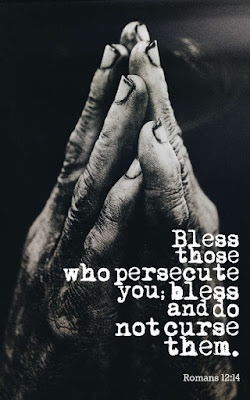
This is the sixth post in a series where we are looking at the gospel way. What it means to follow Jesus. Today’s may be the most challenging yet. It confronts every single one of us. We have all faced unkind and even hateful people. So did Jesus. And He calls us fi respond just like He did.
Bless those who persecute you; bless and do not curse.
Romans 12:14 (NIV)
This verse doesn’t come naturally. In fact, it might be one of the hardest commands in Scripture. Our instincts cry out for justice—or at the very least, distance—when we are wronged. But Paul, inspired by the Spirit, challenges us to respond in a radically different way: with blessing.
A Countercultural Command
In a world that praises revenge, canceling, and self-protection, blessing our enemies seems foolish. Yet Paul’s instruction echoes the very words of Jesus:
“Love your enemies and pray for those who persecute you.” (Matthew 5:44)
The way of Christ isn’t about repaying hurt with more hurt. It’s about overcoming evil with good (Romans 12:21). When we bless someone who has wounded us, we are not approving their actions—we are rising above them. We are choosing mercy over bitterness, grace over retaliation.
What Does “Bless” Really Mean?
To bless someone in this context means to:
Speak well of them. To wish them good and not harm. Pray for their repentance, healing, or restoration. Refuse to return insult for insult.
This is an act of spiritual maturity and surrender. It means trusting God to be the righteous judge while we walk in the love and humility He has shown us.
Why Should We Bless?
Because God blessed us when we didn’t deserve it. Romans 5:8 reminds us, “While we were still sinners, Christ died for us.” We were enemies of God, yet He chose to bless us with grace. Because it frees us. Bitterness is a prison. Forgiveness and blessing set us free. They release us from being defined by someone else’s actions and allow us to walk in peace. Because it reflects Jesus. When Jesus hung on the cross, mocked and beaten, He prayed, “Father, forgive them.” If we belong to Him, we are called to mirror that kind of love—even when it’s costly.
How Do We Live This Out?
Start with prayer. You may not feel like blessing those who hurt you—but bring that honestly to God. Ask Him to soften your heart. Guard your words. Refuse to gossip or curse the one who wronged you. Instead, speak truth with grace. Seek peace, if possible. You may not be able to restore the relationship, but you can refuse to fuel hostility.
Romans 12:14 is a call to higher ground. It’s a reminder that we are citizens of a different kingdom—one marked by love, not vengeance. This kind of living doesn’t come from our own strength; it flows from a heart surrendered to Christ.
Let’s be people who bless when it’s hardest. Because in doing so, we show the world a glimpse of the Savior who blessed us first.
Peace in Christ brothers and sisters.


 For Common Ground